Electrolytes have had a glow-up. Once the quiet business of sports scientists and marathon aid stations, they now arrive in blush-toned sachets, elegant glass bottles, and every wellness feed you scroll. The marketing suggests we are all one workout away from depletion. The reality, as usual, is more nuanced and a good deal more reassuring.
What an electrolyte actually is
Strip away the branding and an electrolyte is simply a mineral that carries an electrical charge when dissolved in water. Your body runs on these tiny currents. The headline players are sodium, potassium, magnesium, calcium, and chloride, and each has a job that hydration alone cannot do.
Sodium and potassium work as a pair, managing the balance of fluid inside and outside your cells and making nerve signals and muscle contractions possible, your heartbeat among them. Magnesium quietly supports hundreds of processes, from energy production to the way muscles relax after they fire. Calcium and chloride round out the cast. Water is the river; electrolytes are what let the river power anything.
Why plain water is not the whole story
Here is the piece the eight-glasses era missed. When you sweat heavily, you lose more than water. You lose salt, which is why hard-earned perspiration tastes faintly of the sea. Replace only the water and you can dilute what remains, leaving you oddly worse off, still thirsty, perhaps a little crampy or lightheaded. Hydration is a partnership between fluid and minerals, not fluid alone.
Water is the river. Electrolytes are what let the river carry a current.
This is the genuine, non-hyped case for electrolytes, and it is real. The question is not whether they matter. They plainly do. The question is whether your particular day calls for topping them up.
Who actually needs to reach for them
For most people eating a reasonably varied diet, everyday food handles electrolytes with quiet competence. A modern Western diet rarely leaves anyone short on sodium. Potassium and magnesium come from produce, beans, nuts, and whole grains. You are likely more topped up than the marketing implies.
That said, there are clear moments when supplementing is sensible.
- Long or intense exercise, particularly anything past roughly an hour, or shorter sessions that leave you visibly sweat-soaked.
- Hot, humid conditions, where heavy sweating stacks up quickly, whether you are exercising or simply enduring a heat wave.
- Illness that brings fever, vomiting, or diarrhea, which can shed fluids and minerals fast, this is where classic oral rehydration shines.
- Heavy sweaters and salty sweaters, those who finish a workout with a gritty white film on their skin.
Reading the label with a clear eye
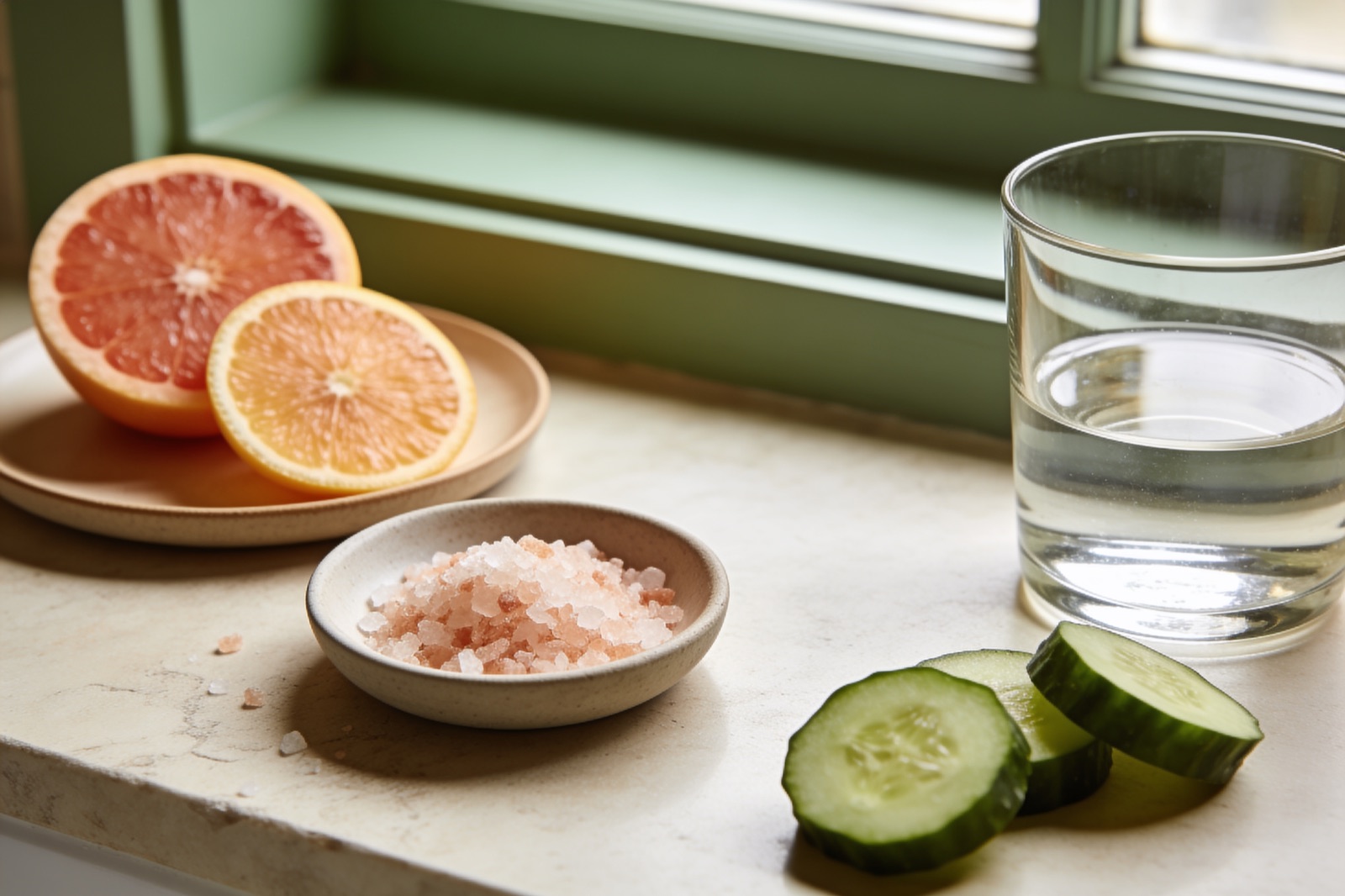
If you do choose a product, become a calm skeptic of the front of the package and a close reader of the back. The most useful electrolyte for replacing sweat losses is sodium, so a serving with a meaningful amount of it is doing the actual work. Many wellness-forward blends are surprisingly low in sodium and high in sugar, or priced as a luxury for what a pinch of salt and a squeeze of citrus in water could roughly approximate.
A note of honesty on magnesium, the current darling: it is a genuinely important mineral, and some people do run low, but it is not a miracle cure for every restless night or tight muscle. Food first is a sound principle. Leafy greens, pumpkin seeds, and legumes are unglamorous and effective.
Think of electrolytes not as a daily ritual to fear missing, but as a tool you understand and deploy on purpose. On an ordinary day, dinner has you covered. On a scorching hike or a feverish afternoon, you will know exactly why that pinch of salt belongs in your glass.