Somewhere along the way, breakfast lost its chair. It became a bar unwrapped at a traffic light, a shake gulped between emails, a coffee that counts as a meal because there was no time for one. We optimized the morning until we optimized the meal right out of it. And in exchange for those reclaimed minutes, we gave up something quieter and harder to measure: the small daily ritual of sitting down before the day takes hold.
This is not a plea to wake at dawn and grind your own oats. It is an argument that the slow breakfast, even a modest one, does something for us that the rushed version cannot, and that the reasons are as much physiological as they are sentimental.
What speed costs us
Eating quickly is not neutral. When we eat fast, we tend to eat more, because the signals of fullness travel with a delay of roughly twenty minutes. Bolt your food and you can finish long before your body registers that it has had enough. Slowing down gives that feedback loop time to work, which is one of the least glamorous and most reliable tools for eating in tune with actual hunger.
There is also digestion to consider. Eating in a hurried, stressed state is not the ideal setup for the body to do its quiet work. A meal taken while you are still braced for the day is a different experience, chemically, than one taken in a moment of calm. The pause is not indulgence. It is preparation.
A breakfast eaten standing up is a meal your body barely notices; one eaten sitting down is a small negotiation of peace before the day begins.
What a slow breakfast is made of
The content matters too, and here the goal is staying power rather than a sugar spike that fades by mid-morning. A breakfast built on refined carbohydrates alone, the pastry, the sweetened cereal, tends to rise fast and fall faster, leaving you hungry and foggy before lunch. A slower, steadier plate leans on three things.
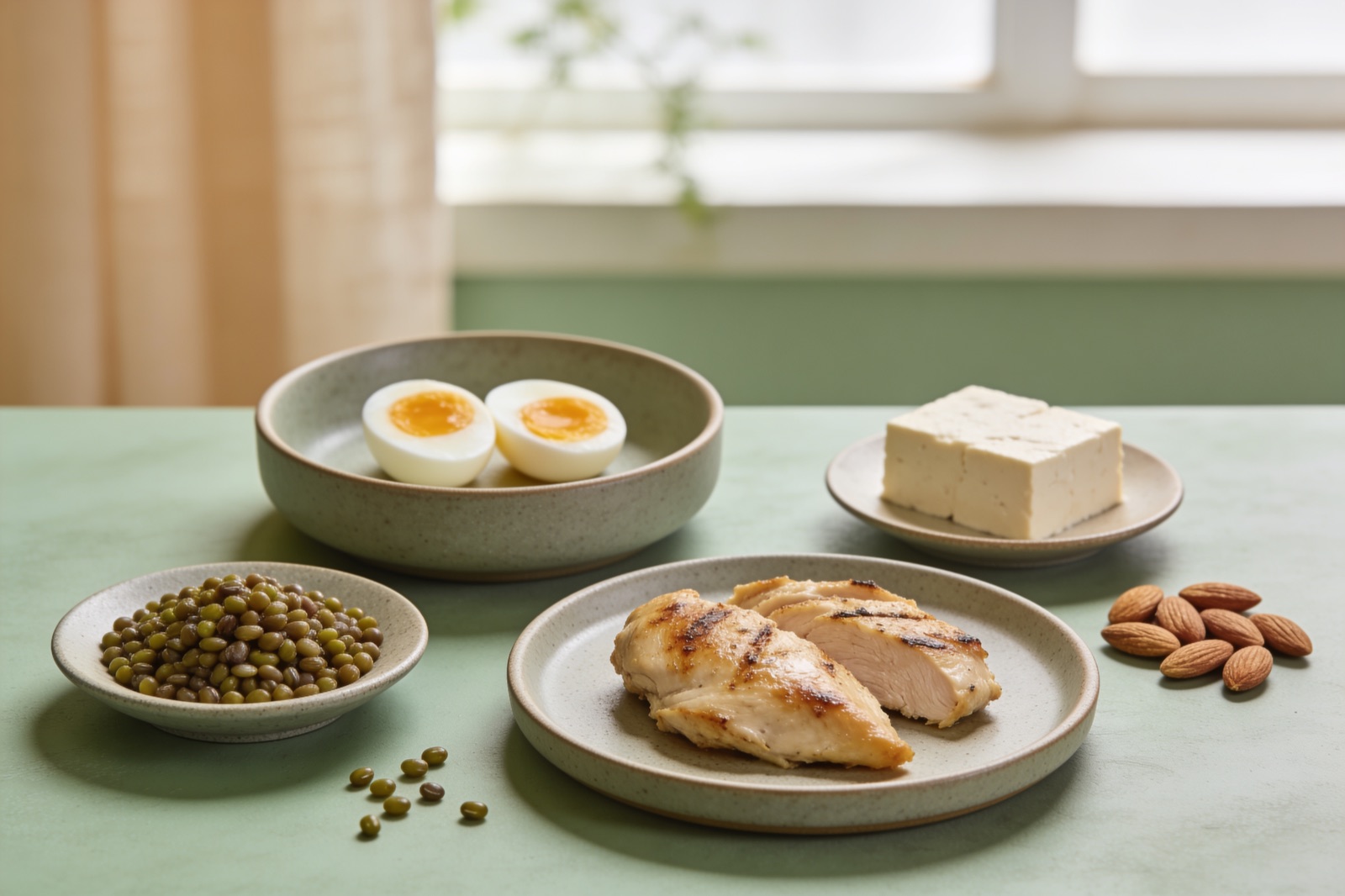
- Protein for satiety that lasts. Eggs, yogurt, cottage cheese, or beans give the meal a foundation.
- Fiber from whole grains, fruit, or vegetables, which slows digestion and feeds the gut.
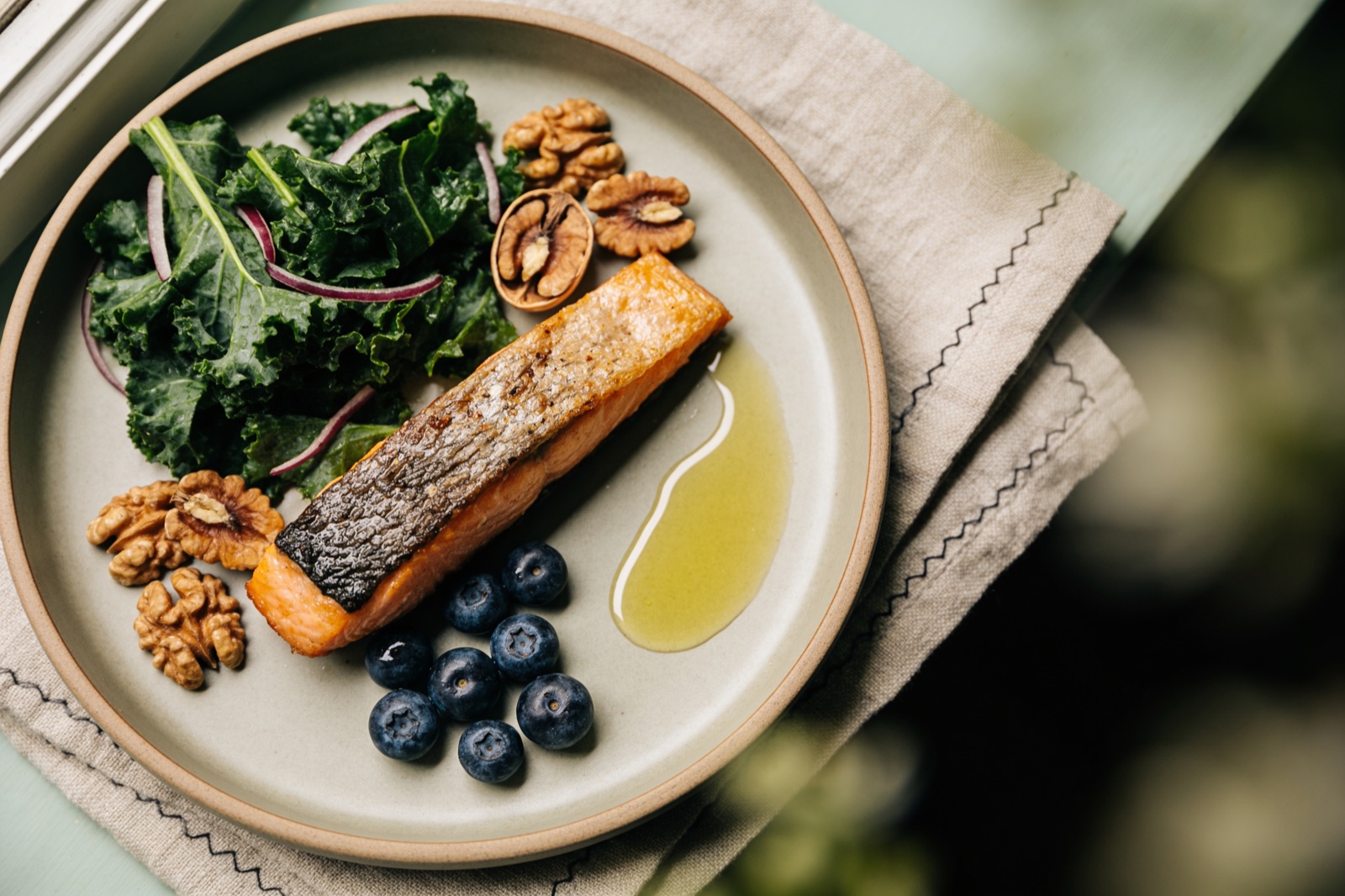
- Fat in a sensible amount, from nuts, seeds, avocado, or good dairy, to round out the meal and carry flavor.
None of this needs to be elaborate. Oats simmered with fruit and topped with nuts. Yogurt layered with seeds. Eggs with a slice of good bread and something green. Beans on toast, a quietly perfect meal. The point is a plate with some architecture to it, not a single fast-burning note.
The ritual is the point
Yet the strongest case for the slow breakfast is not on any nutrition label. It is the ritual itself. There is a reason cultures across the world protect their morning coffee, their tea ceremony, their leisurely first meal. These are not inefficiencies to be trimmed. They are anchors. A few minutes at a table, without a screen, before the demands arrive, is a way of meeting the day on your own terms rather than the day's.
You do not need an hour. You need ten honest minutes: a meal sitting down, a warm drink, attention paid to the food in front of you rather than the inbox beyond it. Start there. The nutrition follows naturally when you are no longer eating on the run, and the calm you carry from the table tends to outlast the meal itself.
Tomorrow, try it once. Make something small and real, sit down, and let breakfast take the time it quietly deserves. It may turn out to be the most useful ten minutes of your day.