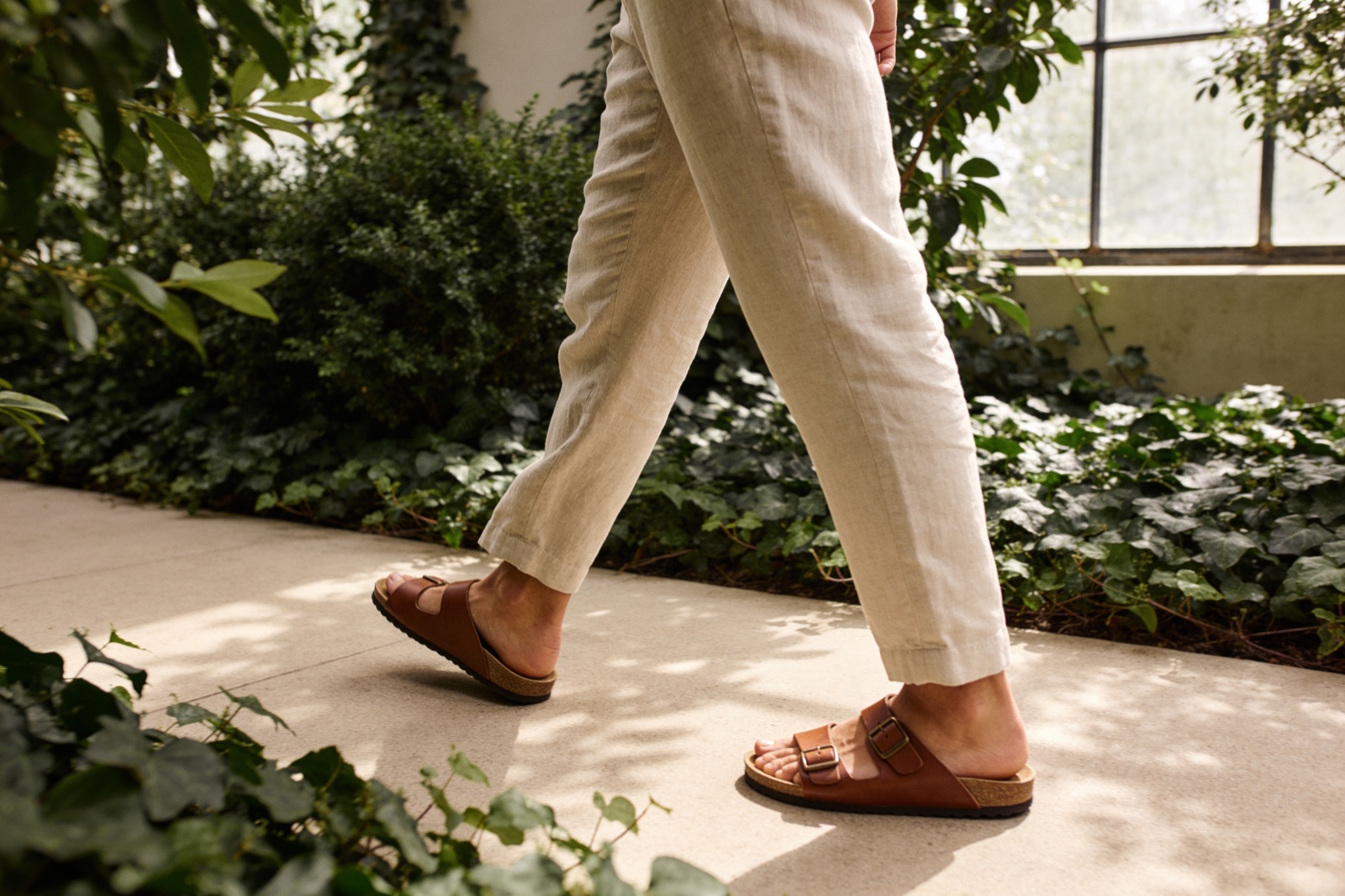
Of all the ways a body can move, walking is the one we are most likely to overlook. It is too ordinary, too available, too free. We reserve our respect for the strenuous and the measured, and we walk from the car to the door without noticing we have moved at all. Yet the daily walk, taken deliberately and often, may be the most complete health practice most of us will ever adopt.
It asks for nothing. No membership, no gear beyond decent shoes, no skill to acquire. And it gives back, quietly and generously, across the body and the mind alike.
The case hiding in plain sight
The research on walking is remarkably consistent, and remarkably encouraging. Regular walking is broadly associated with better cardiovascular health, steadier blood sugar, healthier weight, and improved mood. The relationship between daily steps and long-term health tends to trend in the right direction well before the oft-quoted ten thousand, a number that owes more to an old marketing campaign than to any strict biological threshold.
The reassuring message from most of this work is that more movement is better than less, and that the largest gains appear when someone mostly sedentary simply begins to walk. You do not need to hit a magic figure. You need to move, most days, on purpose.
You do not need to hit a magic figure. You need to move, most days, on purpose.
A walk is also a way of thinking
There is a reason so many writers, scientists, and philosophers have been devoted walkers. Something about the rhythm of the gait loosens the mind. Problems that resist the desk often soften on the pavement. The forward motion of the body seems to invite a forward motion of thought.
A walk can also be a rare pocket of undivided attention, or its opposite, a chance to let the mind wander freely. Left without a screen, it becomes a small daily meditation, a stretch of time that belongs to no one but you. In a life of constant input, that alone is worth the shoe leather.
How to make it a practice
The difference between a walk and a walking practice is intention. One happens by accident; the other you protect. A few gentle principles help it take root.
- Anchor it to a time. After breakfast, before dinner, at the turn of the afternoon. A fixed hour survives where good intentions drift.
- Start with what is realistic. Ten honest minutes kept daily beats an ambitious hour abandoned by Wednesday.
- Let it grow naturally. As the habit settles, the miles tend to extend themselves without much prompting.
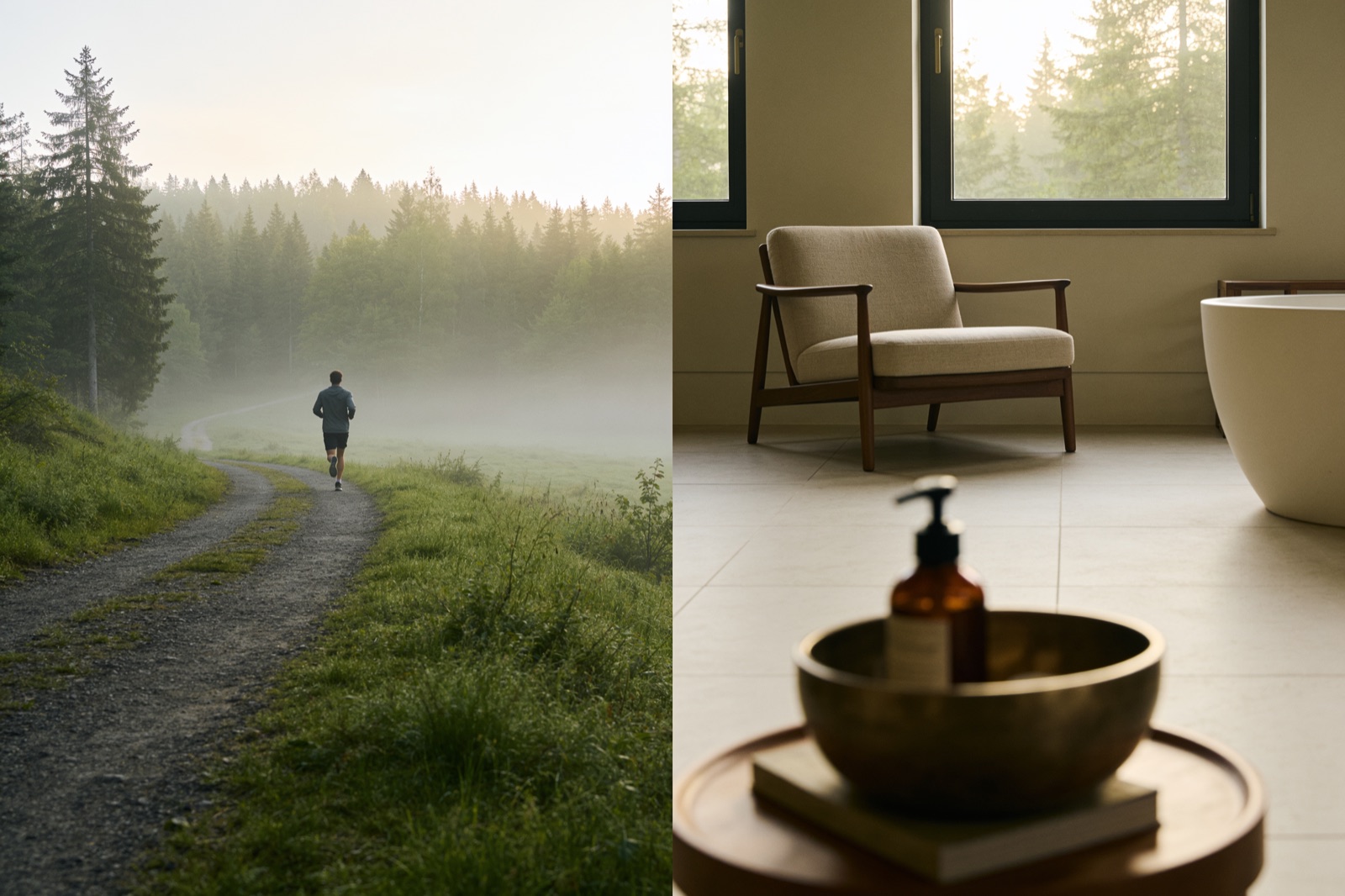
- Vary the terrain. A gentle hill or an uneven trail asks more of the body and keeps the eye interested.
The quiet ritual worth keeping
What makes walking endure where other regimens fall away is its sheer humaneness. It does not punish you. It does not require you to be fit before you begin. It meets you exactly where you are and walks beside you, and it is as available at seventy as at thirty. Few things we can do for our health are so forgiving and so faithful.
Protect the habit as you would any appointment that matters. On the hard days, go anyway, even if only around the block. The walk you almost skipped is often the one you are most glad you took.
The oldest exercise remains one of the best. Lace up, step out, and let the long walk become the part of the day you would not give away.