There is a particular kind of tiredness that sleep does not fix. You know it: wired at midnight, foggy at noon, running on a nervous system that never quite powers down. The word adaptogen has become shorthand for the promise of relief, printed on everything from powders to sparkling water. It is worth slowing down and asking what these herbs are, what they are not, and which ones have earned a place in a thoughtful routine.
What an adaptogen actually is
The term was coined by Soviet researchers in the mid-twentieth century to describe plants that appeared to help the body resist a wide range of stressors without pushing it in any single direction. A true adaptogen is meant to be balancing rather than stimulating, nudging an overtaxed system toward equilibrium. The consensus among herbalists is that these plants work gently and cumulatively, more like tending a garden than flipping a switch.
That gentleness is the point, and also the caveat. Adaptogens are supportive, not corrective. They pair best with the unglamorous fundamentals, which no capsule replaces: consistent sleep, meals with protein, daylight, movement, and relationships that let your shoulders drop.
The six worth knowing
These are the herbs I return to most often, chosen because they carry both a long traditional record and a reasonable body of modern study.
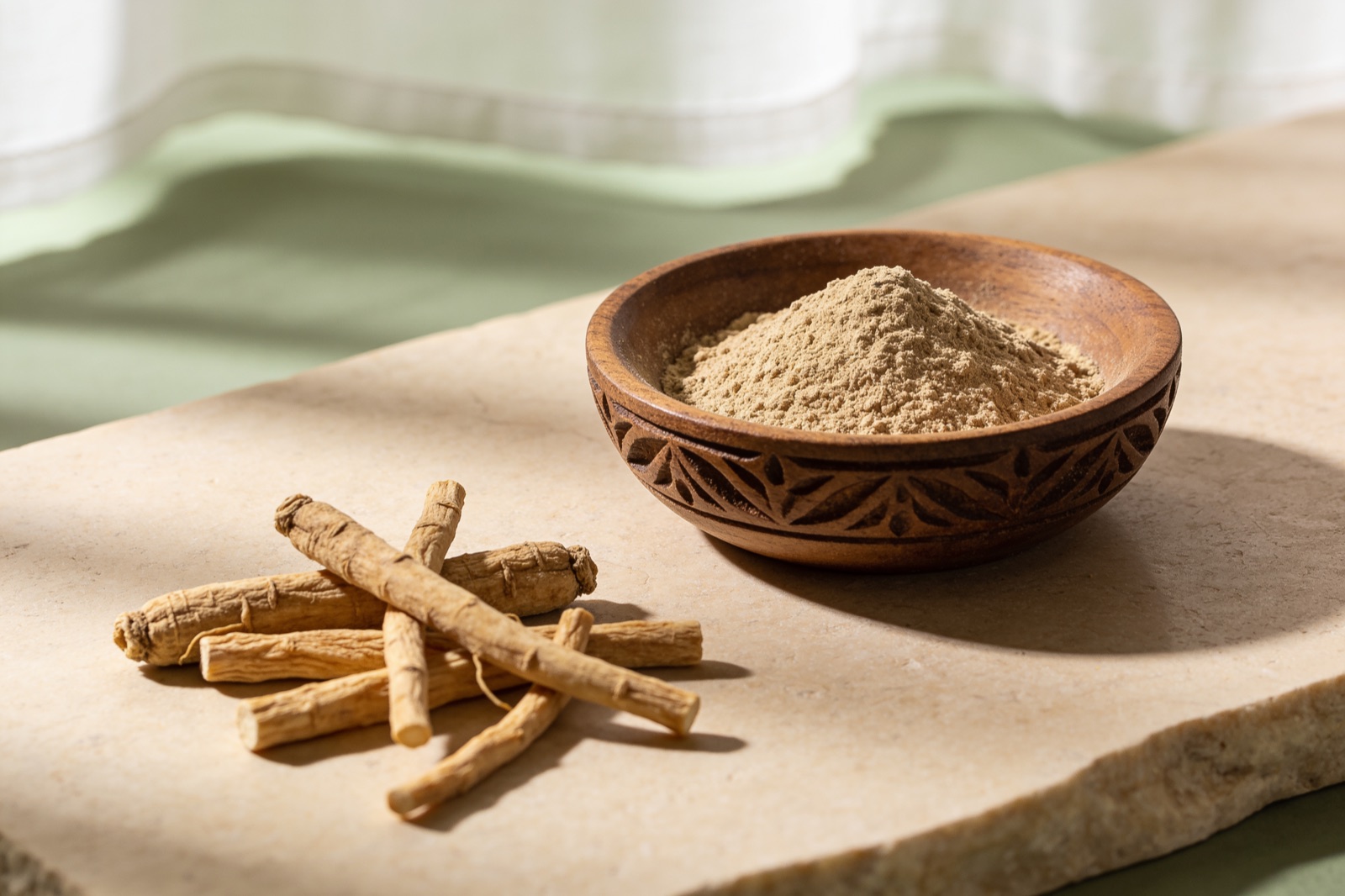
- Ashwagandha is the classic calming root, widely studied for perceived stress and sleep quality. It suits people who feel tightly wound and overstimulated.
- Rhodiola leans in the opposite direction, favored for mental fatigue and stamina. Reach for it when the problem is depletion rather than agitation.
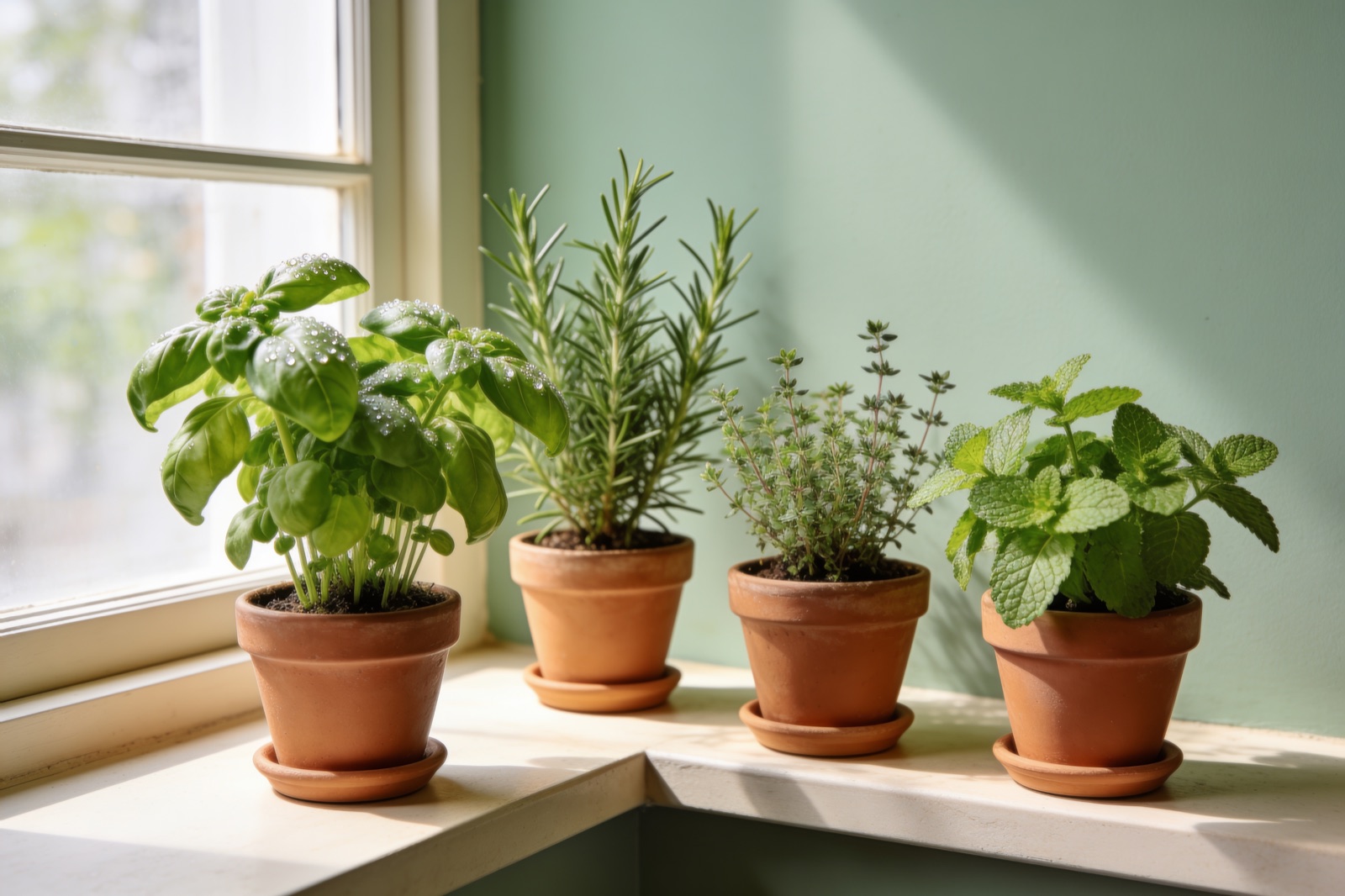
- Holy basil, or tulsi, is revered in Ayurveda as a daily tonic. As a fragrant tea it offers a soft, clarifying lift.
- Eleuthero, sometimes called Siberian ginseng, has a traditional reputation for endurance and resilience under sustained demand.
- Schisandra is a tart, complex berry prized for focus and for supporting the body during long stretches of concentration.
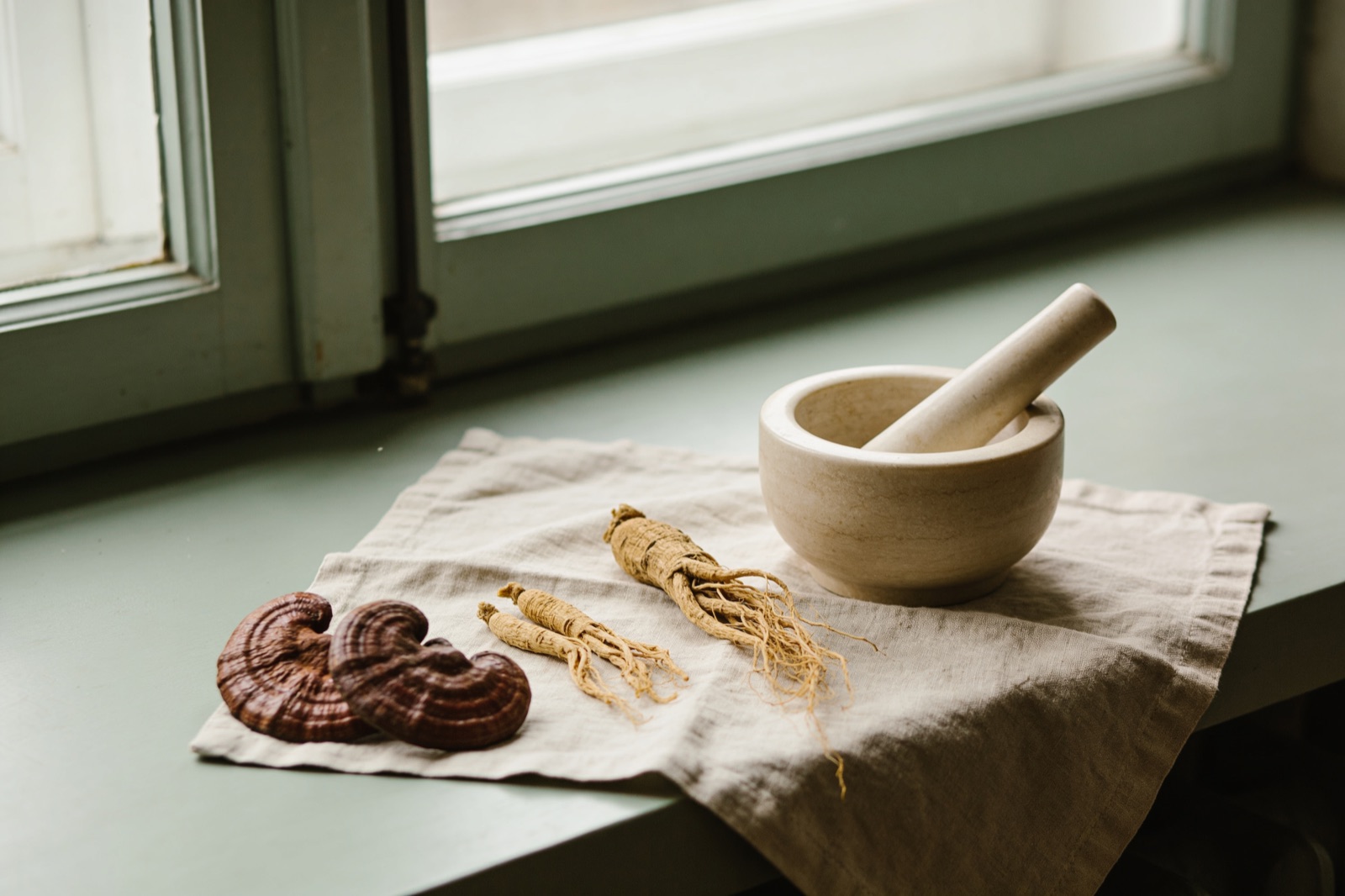
- Reishi, a mushroom rather than a herb but often grouped here, is the evening choice, associated with a settled, grounded calm.
Adaptogens do not erase stress. At their best, they widen the space between you and it, so you get to choose your response.
How to actually use them
Start with one herb, not a stack. Give it two to four weeks, because the effect is a slow accrual you notice in hindsight, on an ordinary Tuesday when you realize you did not snap at the small things. Match the herb to your pattern: something calming like ashwagandha or reishi if you run hot and anxious, something enlivening like rhodiola or schisandra if you run flat and foggy.
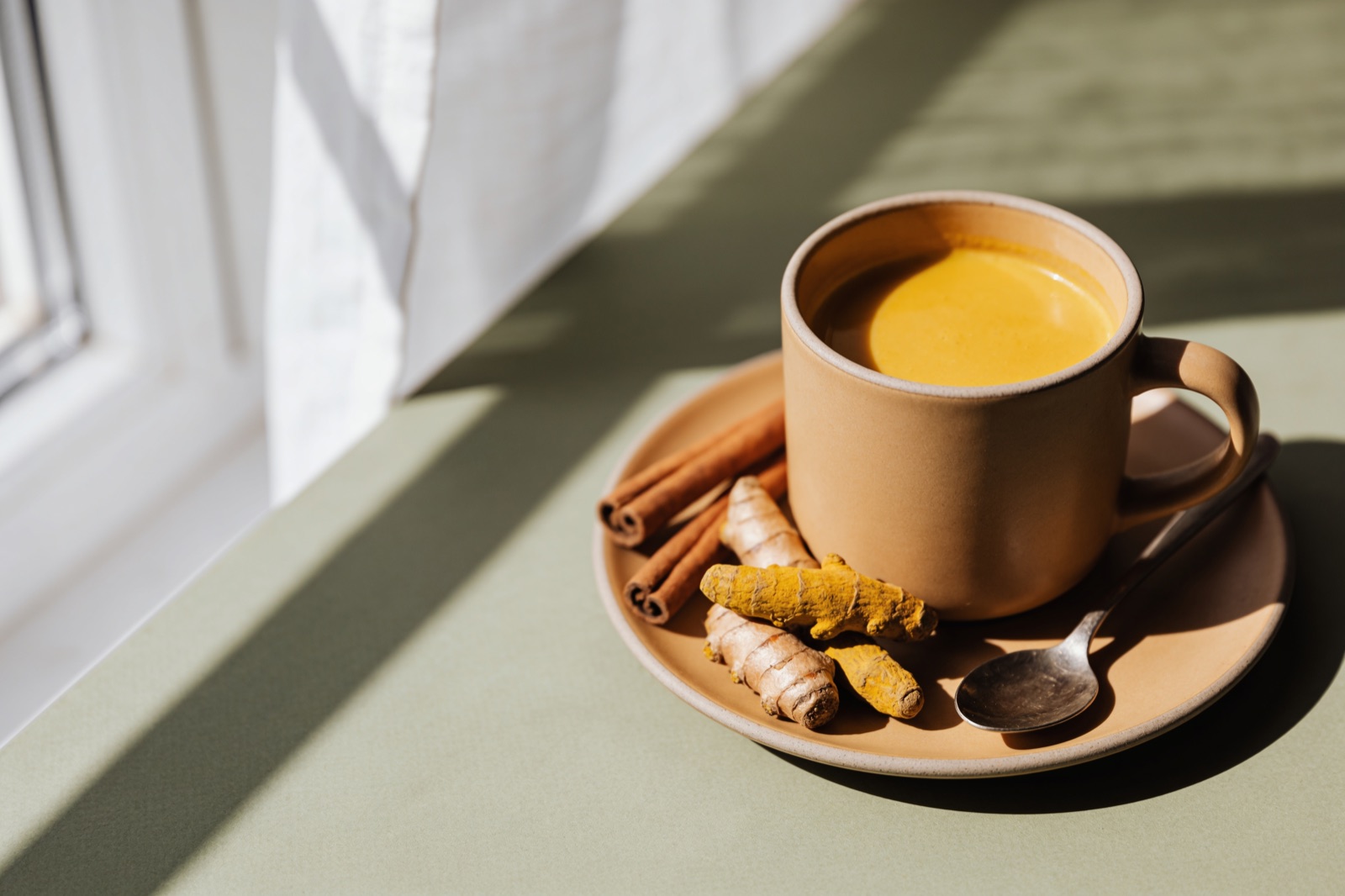
Form matters less than consistency. Teas invite a daily ritual and a moment of pause; tinctures and capsules offer standardized, convenient dosing. Whatever you choose, keep the dose modest and the expectations honest. Timing helps too: stimulating adaptogens belong in the morning, while calming ones settle nicely into the hours before bed.
Reading a label honestly
The supplement aisle rewards skepticism. Look for products that name the plant part used, such as root or leaf, and that specify an extract standardized to a known compound. Third-party testing for purity is a meaningful signal of a company that takes its sourcing seriously. Be wary of proprietary blends that hide individual amounts behind a single number, and treat any promise of a dramatic overnight transformation as a reason to keep walking.
Used with patience and a little discernment, adaptogens can be a quiet ally, one of several, in the ongoing work of steadying a restless mind. The herbs help most when the rest of your life is helping too.