Few phrases have been stretched further than anti-inflammatory. It has been printed on cereal boxes and supplement bottles, attached to teas that promise to melt years away, and turned into elimination lists so long they leave almost nothing on the table. Somewhere in the noise, a genuinely useful idea got lost. So let us set the marketing aside and talk about what the evidence actually supports, because it is calmer, more generous, and far more livable than the internet would have you believe.
Inflammation itself is not the enemy. It is the body doing its job, the immune response that heals a cut or fights a cold. The concern researchers point to is chronic, low-grade inflammation, the quiet background hum linked over time to heart disease, metabolic problems, and other conditions. Food does not switch that hum on and off like a light. But the overall pattern of what you eat, sustained across months and years, appears to nudge it in one direction or the other.
What the evidence leans toward
The strongest and most consistent signal in nutrition science does not point to a single miracle food. It points to a pattern. Diets rich in vegetables, fruits, legumes, whole grains, nuts, olive oil, and fish, of which the Mediterranean style is the most studied, are repeatedly associated with lower markers of inflammation. This is a broad consensus, not a fragile finding hanging on one trial.
Why these foods? They tend to be high in fiber, which feeds the gut bacteria that help regulate immune signaling. They are dense in polyphenols and other plant compounds with antioxidant activity. And crucially, they are usually eaten in place of heavily processed alternatives. That last point matters more than any single nutrient. Much of the benefit may come as much from what these patterns crowd out as from what they add.
You do not calm inflammation with a hero ingredient. You calm it with a hundred ordinary meals that lean gently in the right direction.
The plate, not the checklist
Here is a way to think about it that requires no app and no shopping ban. Picture a single plate and let these proportions guide most of your meals, most of the time.
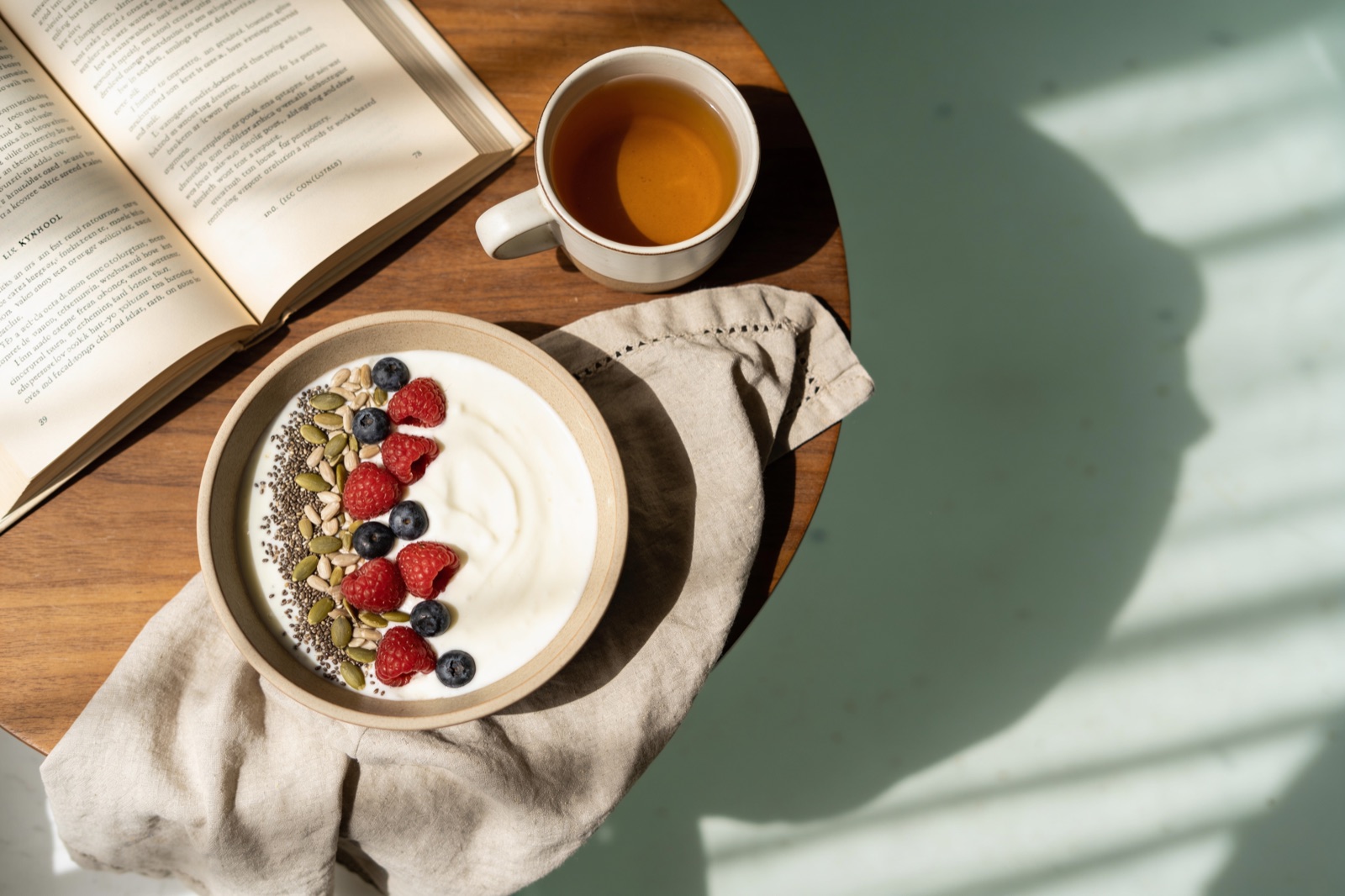
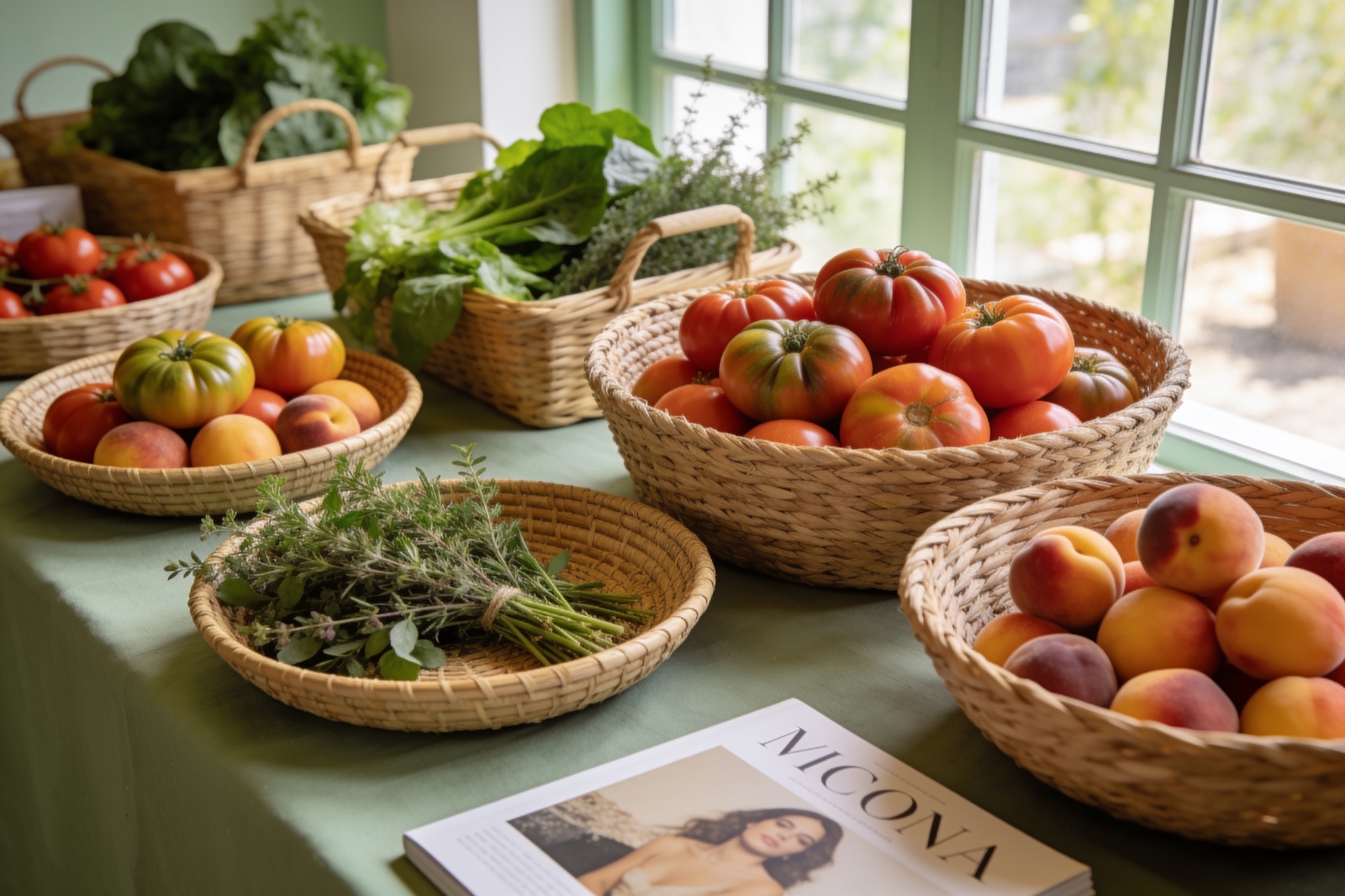
- Half the plate, plants with color. Leafy greens, cruciferous vegetables like broccoli and cabbage, and deeply pigmented produce such as berries, beets, and peppers. Variety matters more than any one superfood.
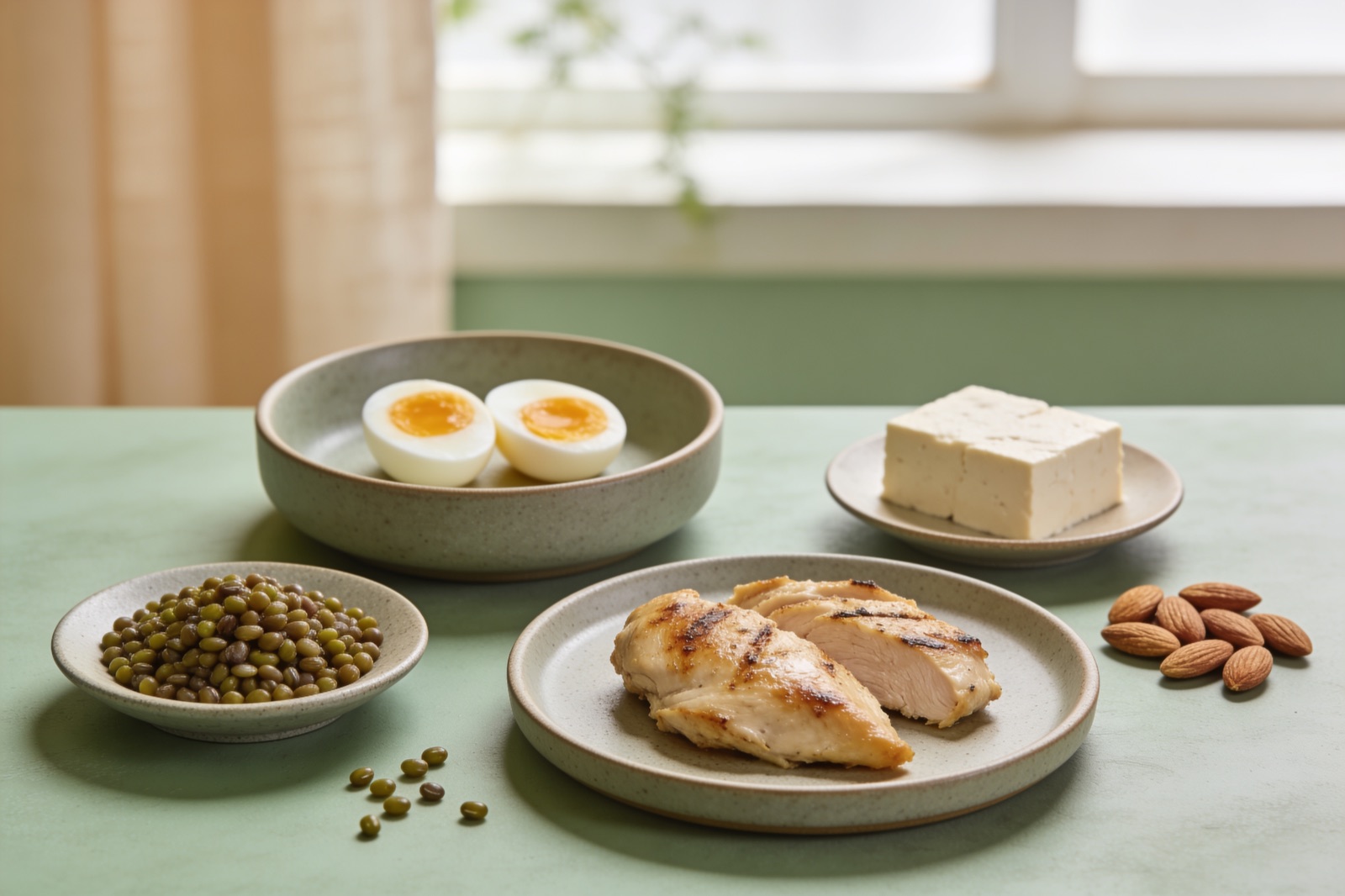
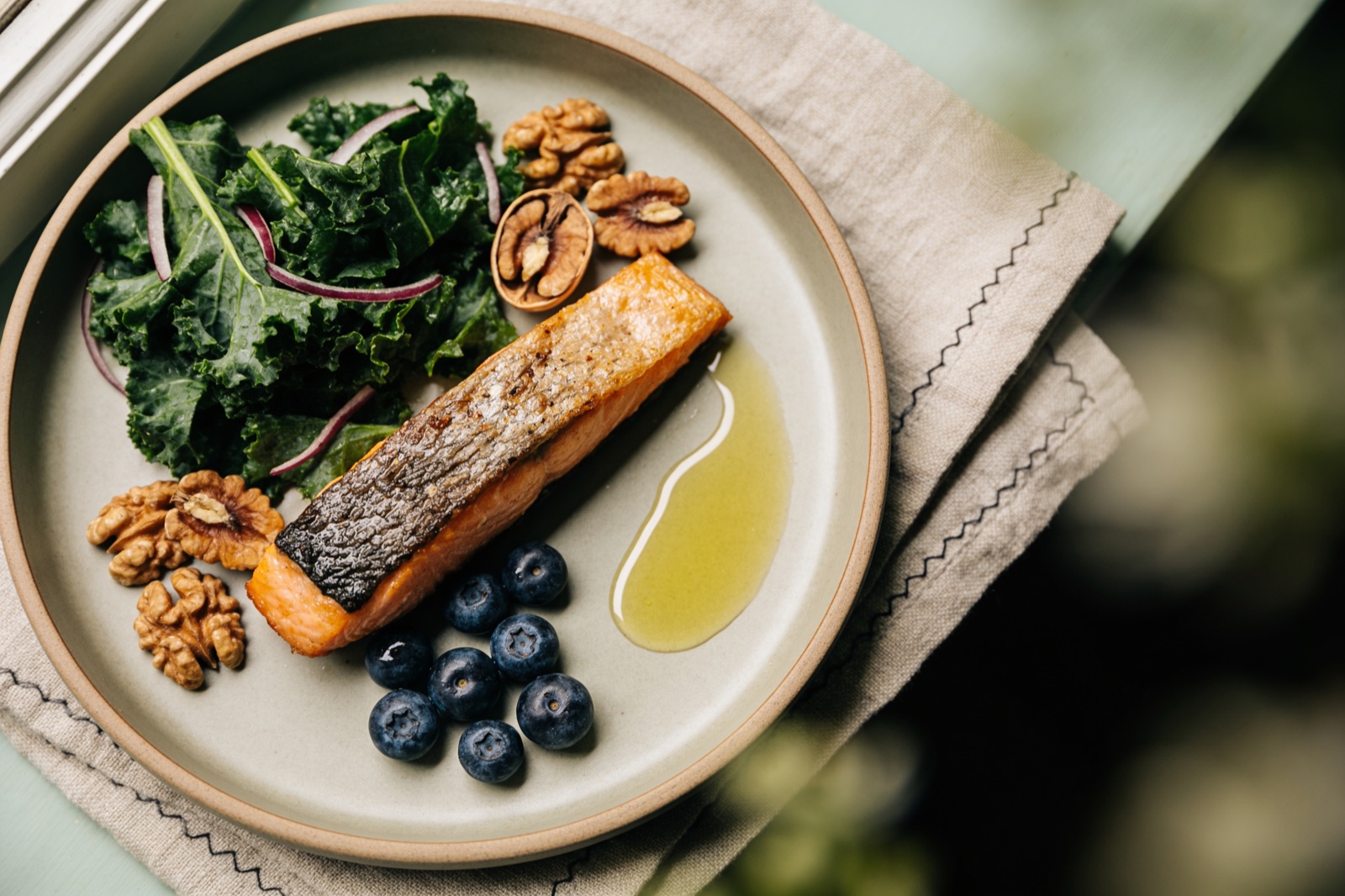
- A quarter, quality protein. Fish a couple of times a week for omega-3 fats, plus legumes, which bring fiber along with the protein. Poultry and eggs are fine; there is no need to fear them.
- A quarter, intact carbohydrates. Whole grains, lentils, and starchy vegetables that arrive with their fiber still attached rather than milled away.
- Fat with intention. Extra-virgin olive oil as your everyday base, plus nuts, seeds, and avocado.
Where the real levers are
If the additions feel abundant, the subtractions are refreshingly short. The evidence points most clearly to easing up on ultra-processed foods, sugary drinks, and a heavy reliance on refined starches. Notice the language. Easing up, not banishing. A pastry with coffee is not an inflammatory event; a diet built almost entirely on refined convenience food, day after day, is the pattern worth shifting.
This is where framing becomes everything. A person who believes bread is toxic tends to eat with anxiety, and stress has its own physiology. A person who understands that the base of their week is whole and varied can enjoy the birthday cake without a second thought. The second person is, by every measure that matters, eating in a more anti-inflammatory way, because the pattern holds.
Small, sensory shifts
Change is easier when it tastes good. Cook more meals in olive oil and finish them with lemon and herbs. Keep a bowl of fruit where you can see it. Treat oily fish like sardines or salmon as a quick weeknight option rather than a special occasion. Let beans do more of your protein work, folded into soups and salads. Reach for water, tea, or coffee, which carries its own polyphenols, before the sweetened options. None of this is deprivation. It is the ordinary pleasure of a well-built plate.
The anti-inflammatory plate is not a destination you arrive at or a test you pass. It is a direction you point yourself in, meal after unremarkable meal, and then mostly forget about. That quiet consistency, not any single ingredient, is the whole idea.