We speak of sleep as something that happens to us, as if it arrives by grace or refuses out of spite. In truth, a good night is quietly engineered. The body keeps an ancient appointment with darkness, and when we honor the terms of that appointment, sleep tends to keep its side of the bargain. Think of the hours before bed not as a countdown but as a foundation you are laying, one small material at a time.
The rhythm beneath the rhythm
Your body runs on a roughly twenty-four-hour internal clock, a circadian rhythm that governs alertness, hormone release, and core temperature. This clock is not sealed away; it takes its cues from the world, and the strongest cue by far is light. Morning brightness advances the clock and sets a timer for the evening release of melatonin, the hormone that signals it is time to wind down. Evening dimness lets that signal build.
The practical lesson is generous rather than punishing. You do not need a perfect schedule so much as a consistent one. Waking at a similar hour each day, weekends included, steadies the whole system. Sleep researchers broadly agree that regularity of timing matters as much as total hours, because a clock that knows what to expect prepares for it in advance.
Sleep is not summoned in the last ten minutes of the day; it is invited across the last ninety.
Light, the first material
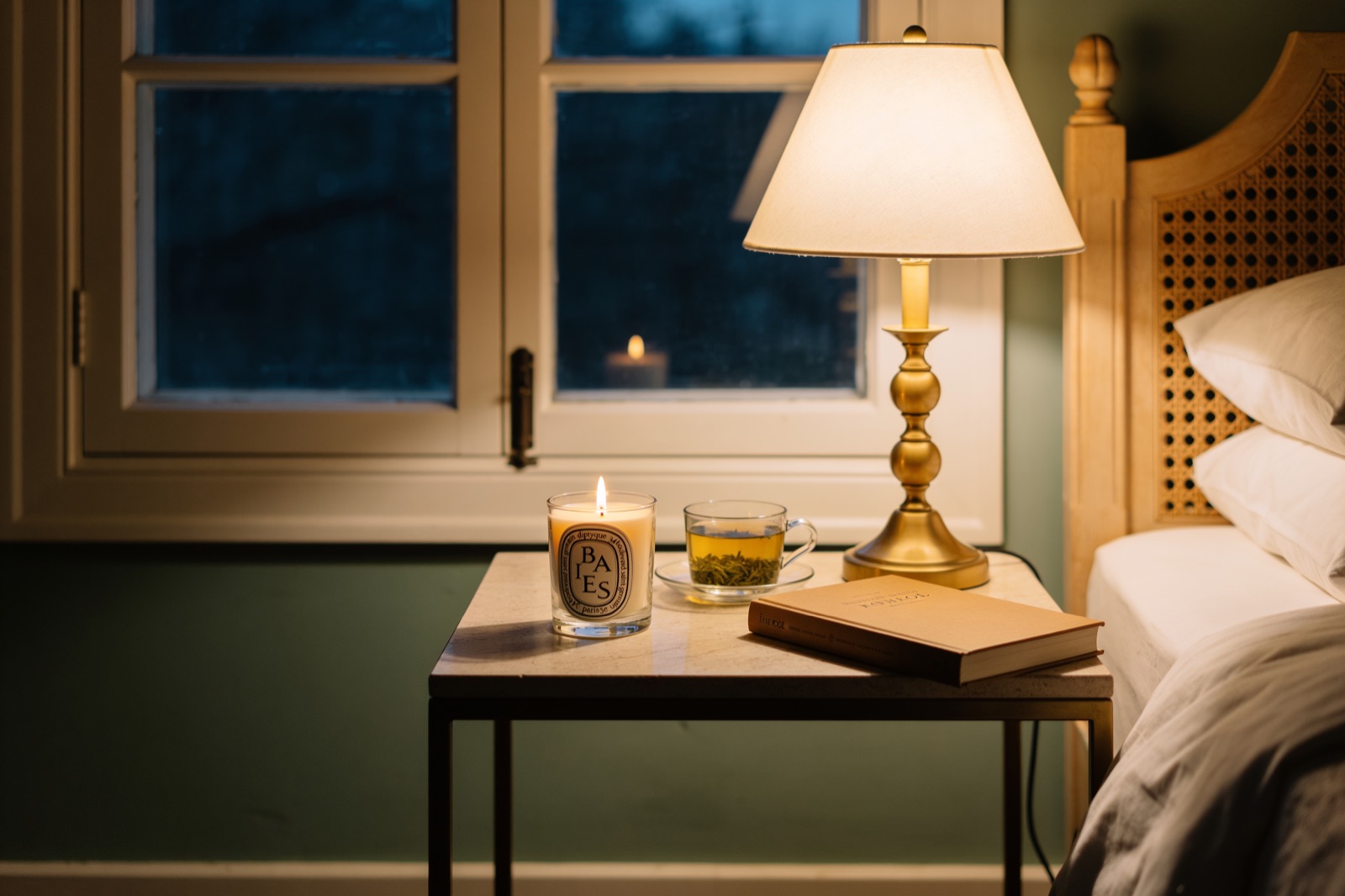
If you change one thing, change your relationship to light. Seek it early and abundantly in the morning, ideally outdoors, where even an overcast sky is far brighter than a lit room. In the evening, reverse the logic. Lower the overhead glare, favor warm lamps set low, and let your space grow dim as the hour approaches. Bright light late in the day can nudge the internal clock in the wrong direction, teaching it that the day is not yet done.
The cooling body
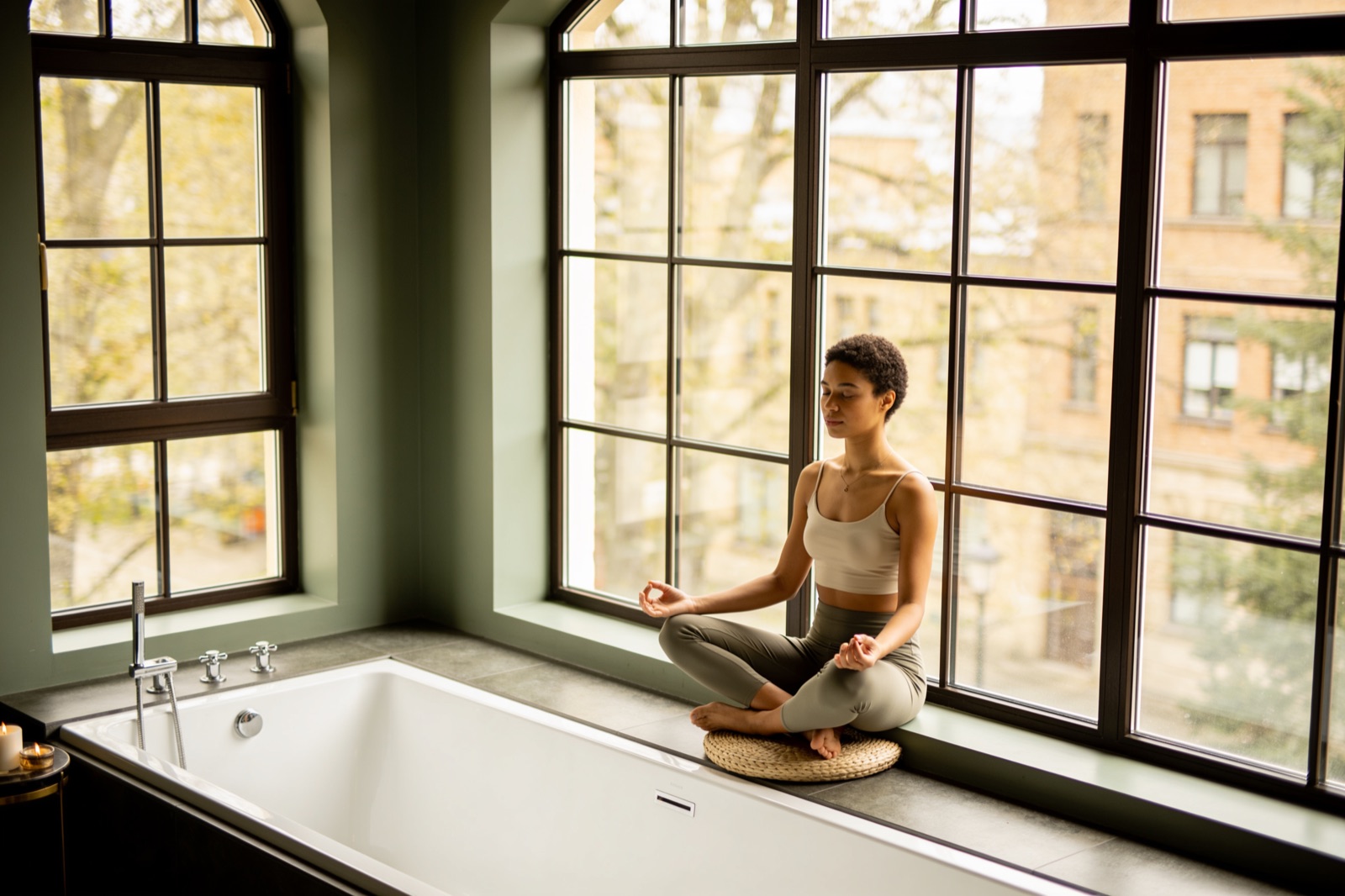
One of the least discussed foundations of sleep is temperature. As you drift toward rest, your core temperature naturally falls, and a cool room supports that descent. Many people sleep best somewhere in the mid to upper sixties Fahrenheit, though the right number is personal. A warm bath or shower an hour or two before bed can help, not because it heats you but because the subsequent cooling, as blood moves to the skin and releases heat, mirrors the body's own signal for sleep.
What you carry to bed
The chemistry of the evening deserves attention. Caffeine has a long tail; its half-life means an afternoon cup can still be circulating when you lie down, so consider an earlier cutoff. Alcohol is the great impostor of rest. It may usher you to sleep quickly, yet it fragments the second half of the night and blunts the deeper, more restorative stages. A lighter, earlier dinner tends to serve rest better than a rich one eaten late.
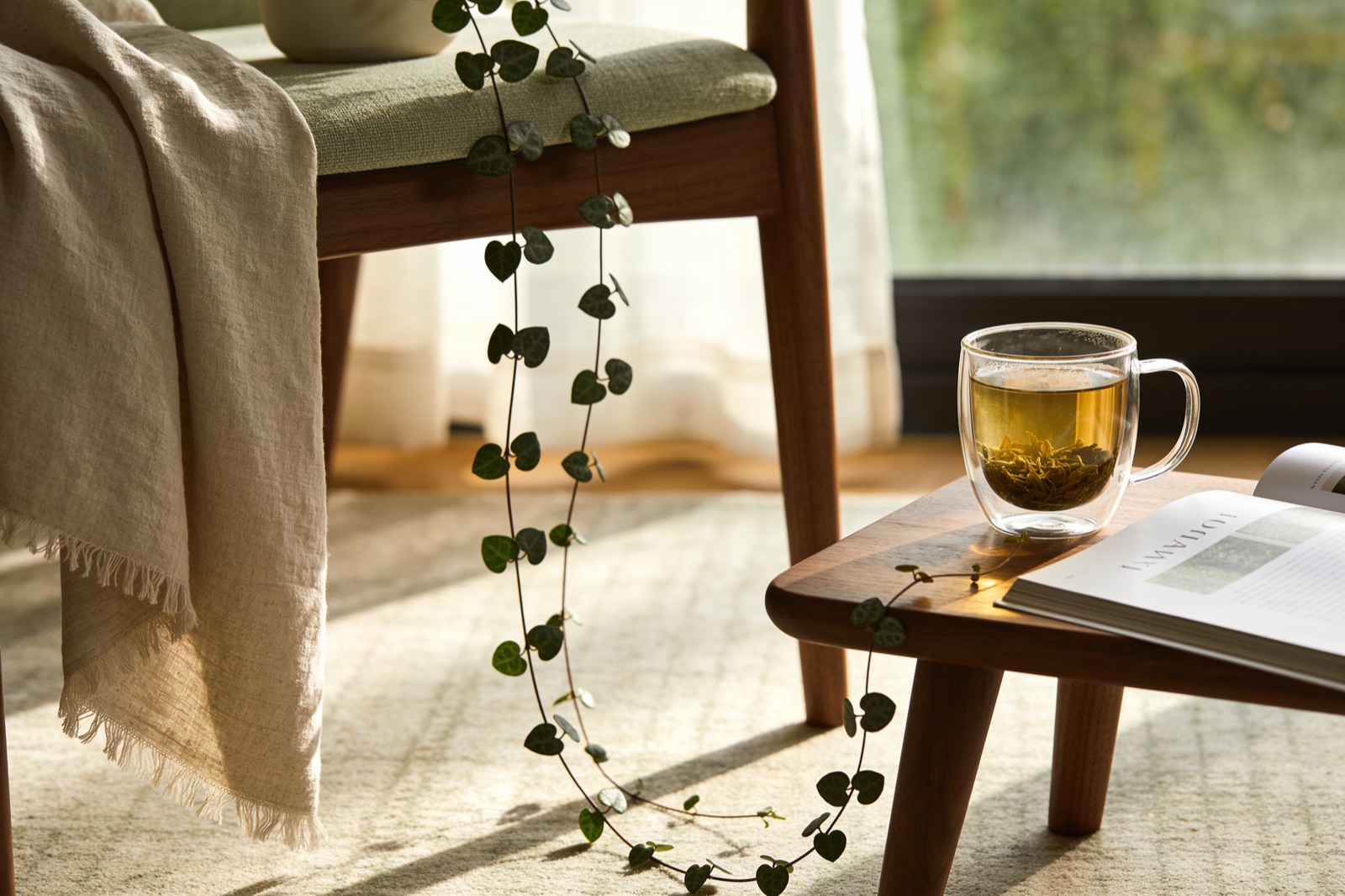
Just as important is what you carry mentally. A racing mind is often a mind still holding open tabs. A brief, unhurried ritual, a few pages of a book, a page of longhand writing, a short stretch, tells the nervous system that the day's work is being set down.
The room as an instrument
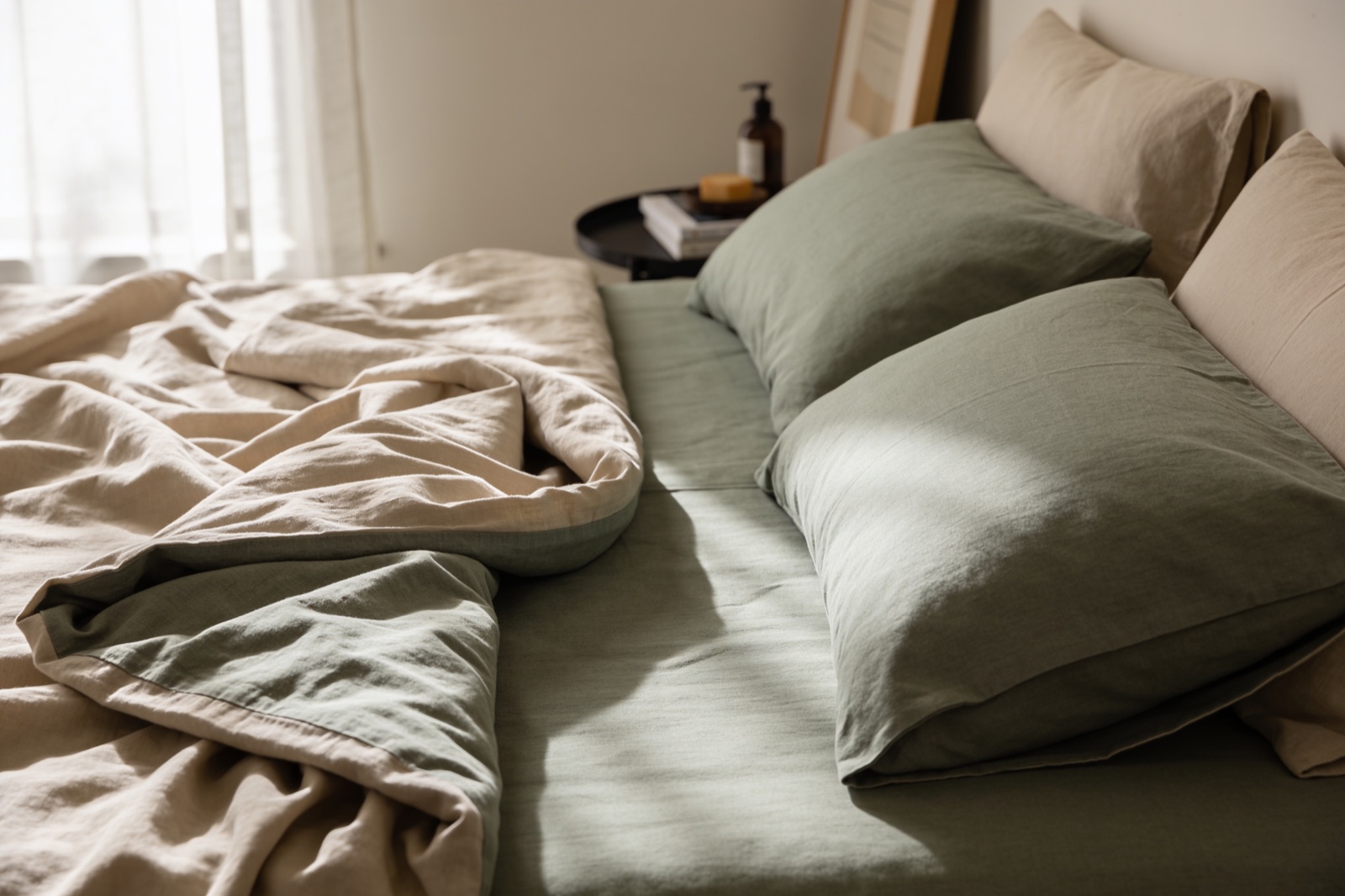
Treat the bedroom as an instrument tuned for one purpose. Keep it dark enough that you cannot read by ambient light, quiet enough that small sounds do not startle you, and reserved, as much as life allows, for sleep and intimacy rather than work. When the space carries a single association, the body reads it as a cue. Over time, simply entering the room begins the descent.
None of this asks for perfection. It asks for a few reliable gestures, repeated until they become the shape of your evening. Sleep, given a well-built approach, rarely needs to be forced. It simply arrives, on time, because everything around it finally agrees that the day is over.