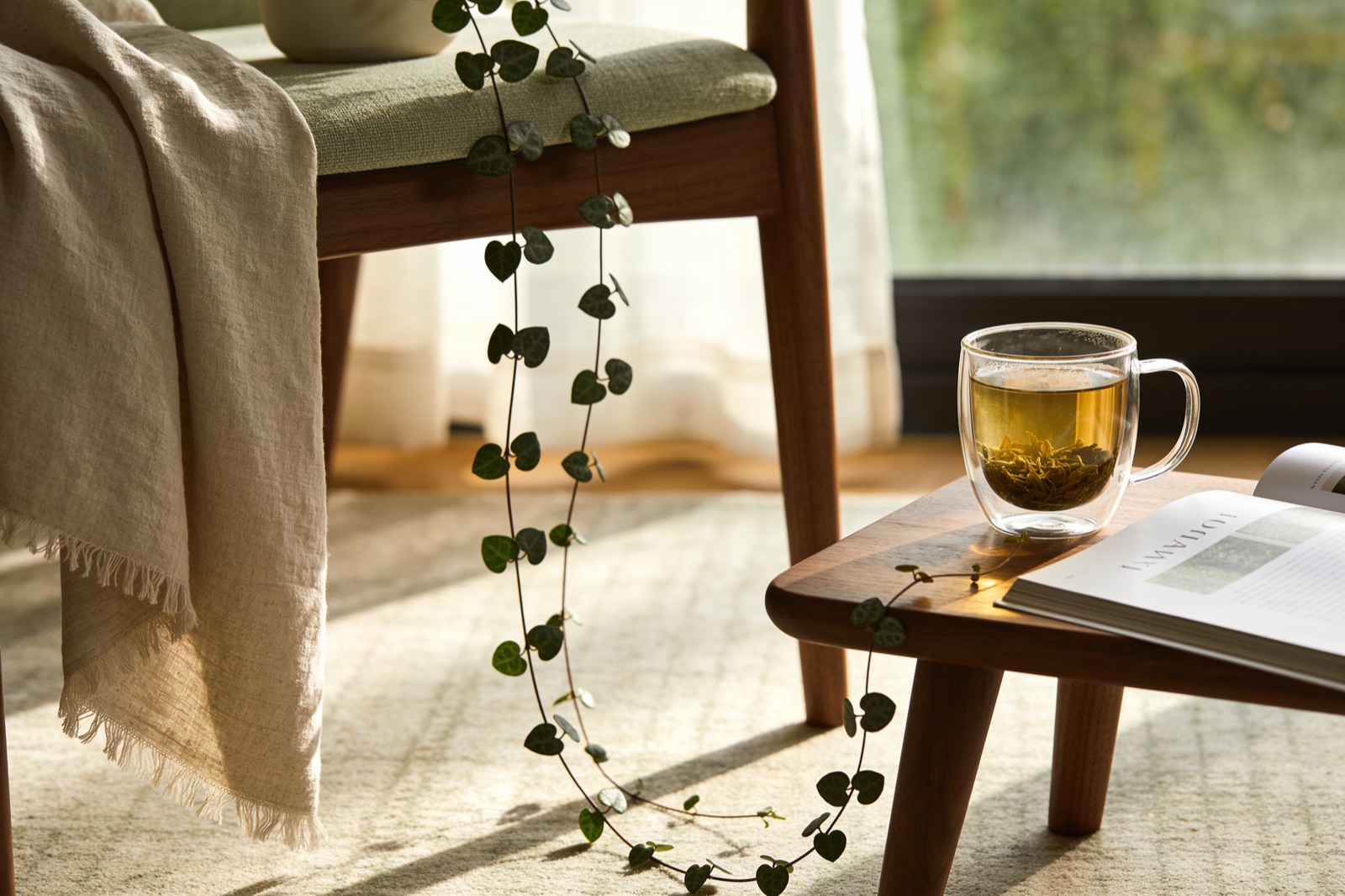
Somewhere along the way, rest acquired a bad reputation. We came to see the pause as a failure of will, a small surrender we would have to make up for later. Yet the body has never agreed with this arithmetic. It moves in waves of energy and recovery, and the afternoon, for most of us, brings a natural trough. Meeting that dip with a brief, intentional reset is not laziness. It is the ordinary maintenance that keeps the rest of the day working.
The dip is real
Most people feel a genuine lull in alertness in the early afternoon, a slackening quite apart from what they ate at lunch. It is part of the body's daily rhythm, a smaller cousin of the nighttime pull toward sleep. Fighting it with a fourth coffee usually just borrows energy against the evening. A short reset works with the dip instead, letting the system discharge some fatigue so the later hours feel clearer.
The pause is not stolen from the day; it is what makes the rest of the day worth having.
What twenty minutes can hold
The twenty-minute figure is not arbitrary. A brief rest tends to keep you in the lighter stages of sleep, from which you wake feeling refreshed rather than groggy. Sleep longer and you risk sinking into deeper stages, where an interrupted wake-up leaves you foggy, a heaviness sometimes called sleep inertia. Keeping the window short lets you surface easily. Even if you do not fall asleep at all, twenty minutes of lying still with the eyes closed offers the nervous system real relief.
Here is the shape of a good reset. Find somewhere dim and reasonably quiet. Set a gentle alarm so you are not guarding the clock with one anxious eye. Then release the expectation that you must sleep. Permission to simply rest is the whole point, and it removes the pressure that so often keeps rest away.
The coffee nap, and other flourishes
For those who want a small optimization, there is the so-called coffee nap. Drink a coffee, then lie down immediately. Caffeine takes roughly twenty minutes to take effect, so you wake around the moment it arrives, doubly alert. It sounds like a trick, yet many people find it works. If caffeine disrupts your sleep, skip this and simply rest.
Not every reset needs to involve sleep. On days when your mind is too busy to settle, a different kind of pause can do similar work. A slow walk without your phone, a few minutes of unhurried breathing, or a stretch by an open window all give the attention somewhere soft to land. What these share is a deliberate stepping away from input, a short amnesty from the stream of demands.
Making peace with the pause
The hardest part of the midday reset is rarely logistical. It is permission. We carry a quiet belief that visible busyness is the same as value, and that stopping, even briefly, is a kind of cheating. It helps to reframe the pause as an investment rather than an indulgence. You are not subtracting twenty minutes from your output. You are protecting the quality of the hours that follow, hours that would otherwise be spent pushing a tiring mind uphill.
Begin small. Try it once this week, on an afternoon when the fog rolls in, and notice what the following hours feel like. You may find that the most productive thing you do all day is the thing that looked, from the outside, like doing nothing at all. Rest, taken without apology, tends to give back more than it takes.